
Electronic components
Capacitors
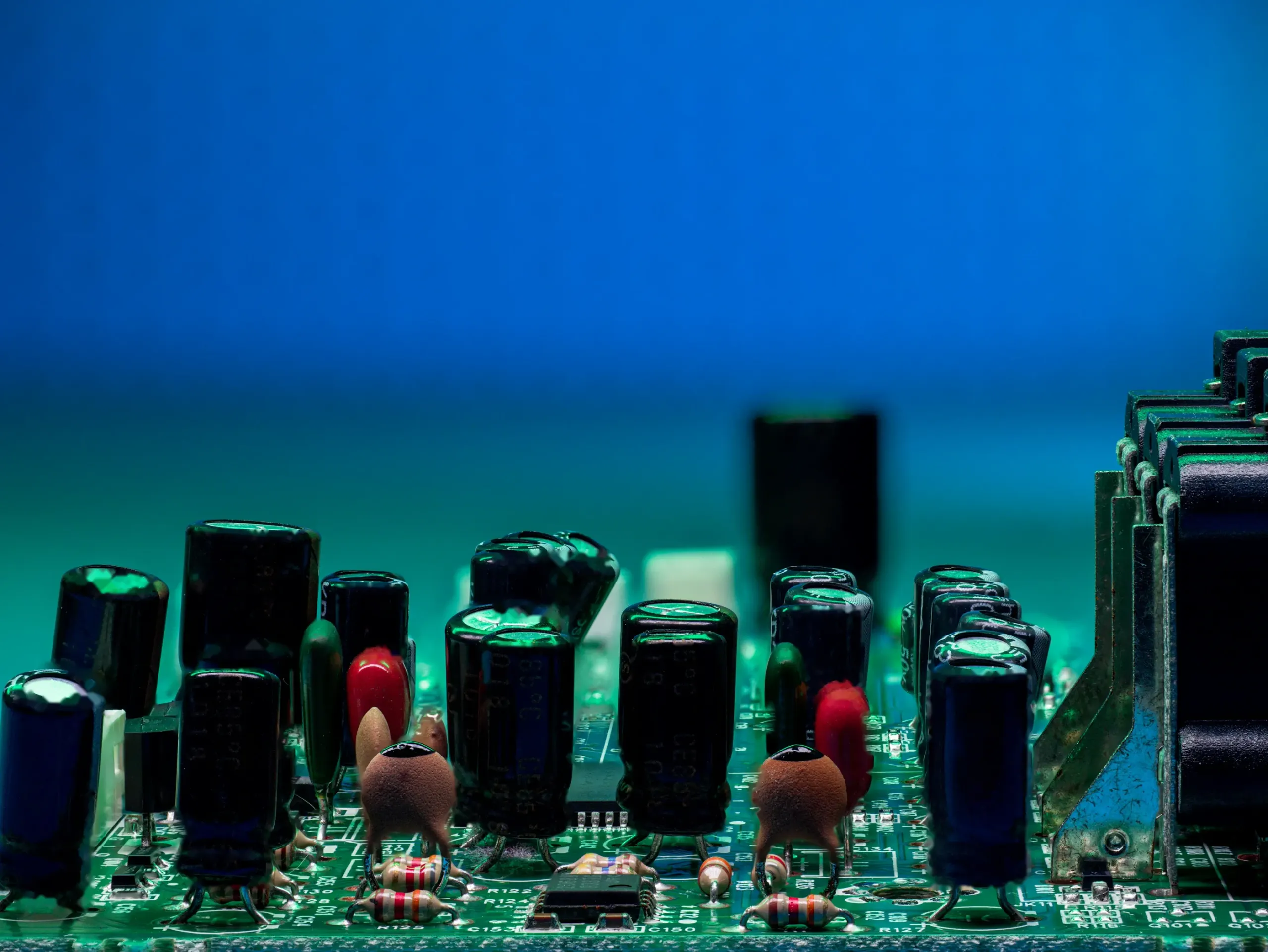
Capacitors for filtering, timing, energy storage and electronic circuit requirements.
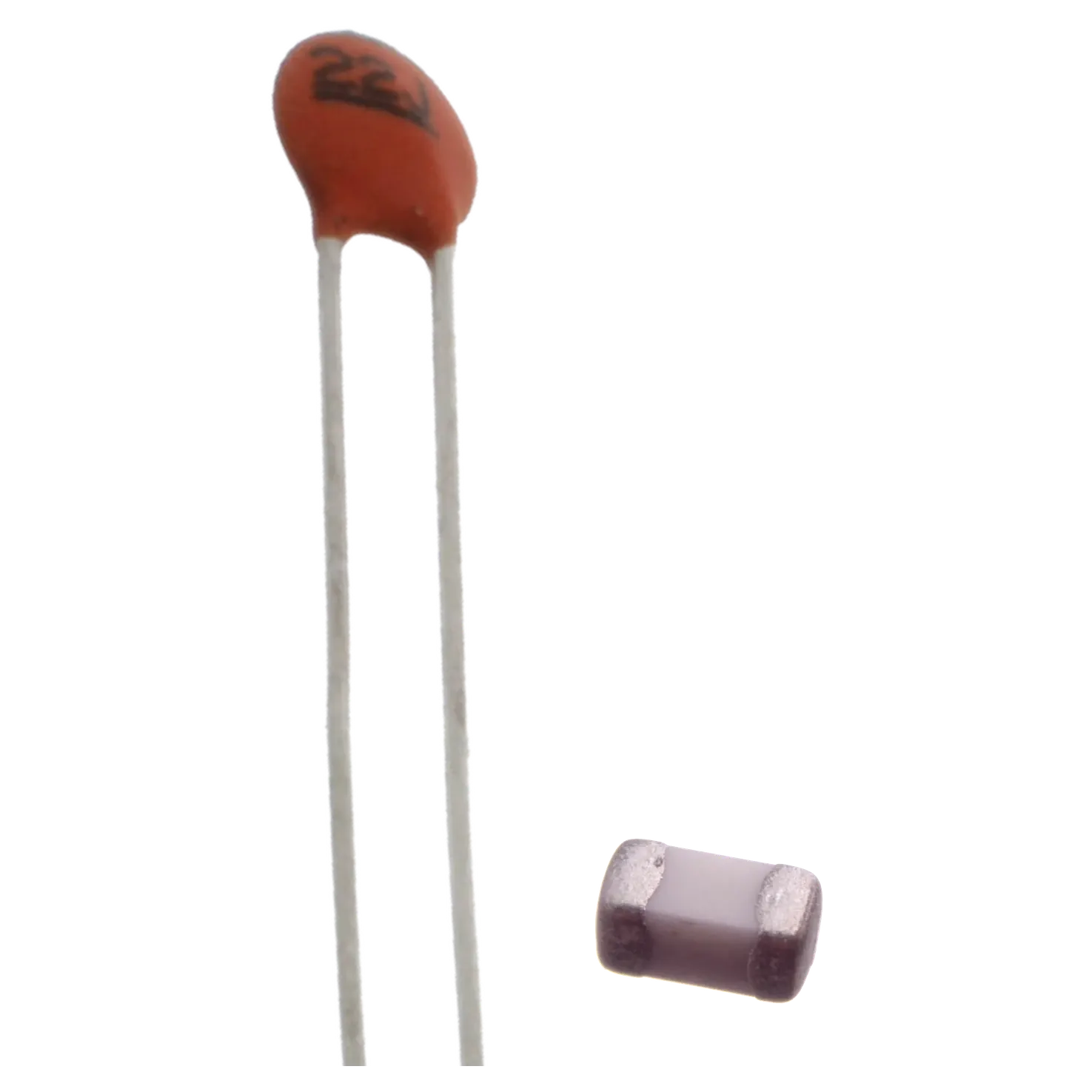
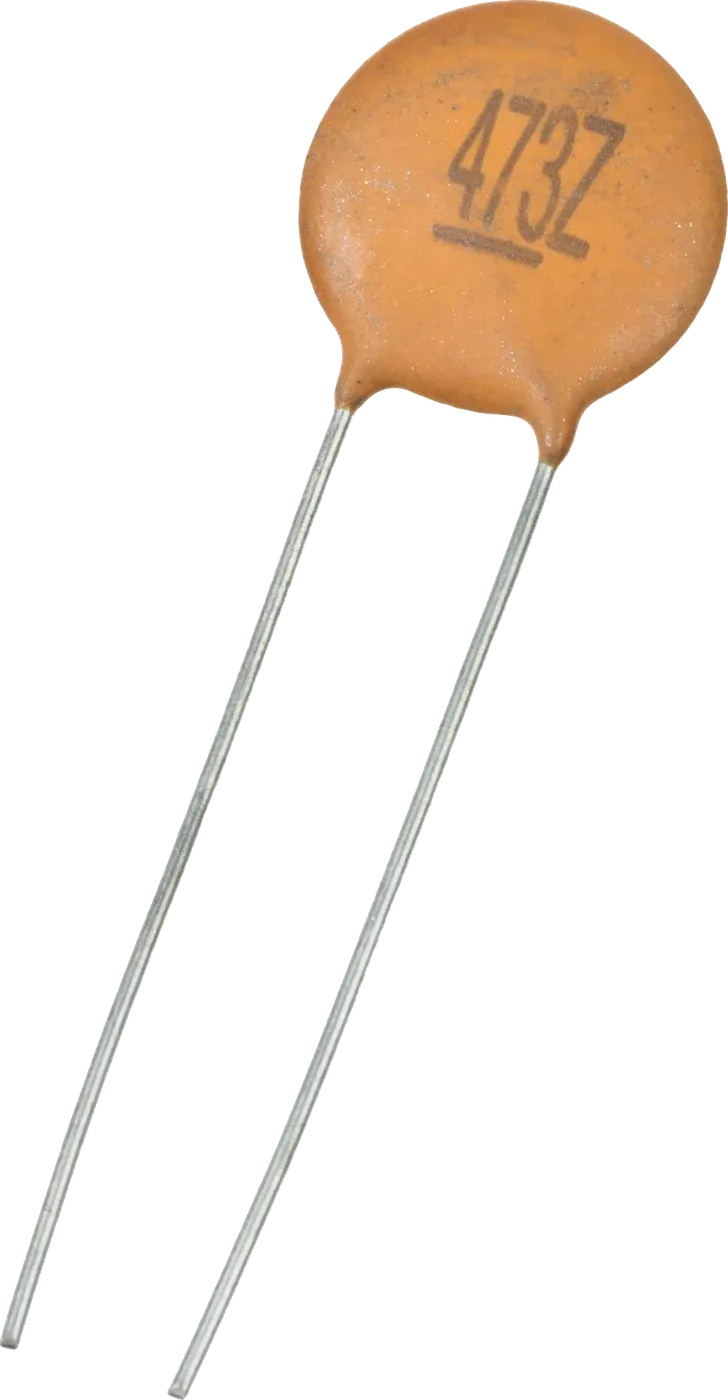 Ceramic disc
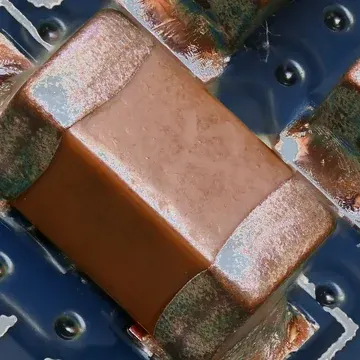 SMD ceramic
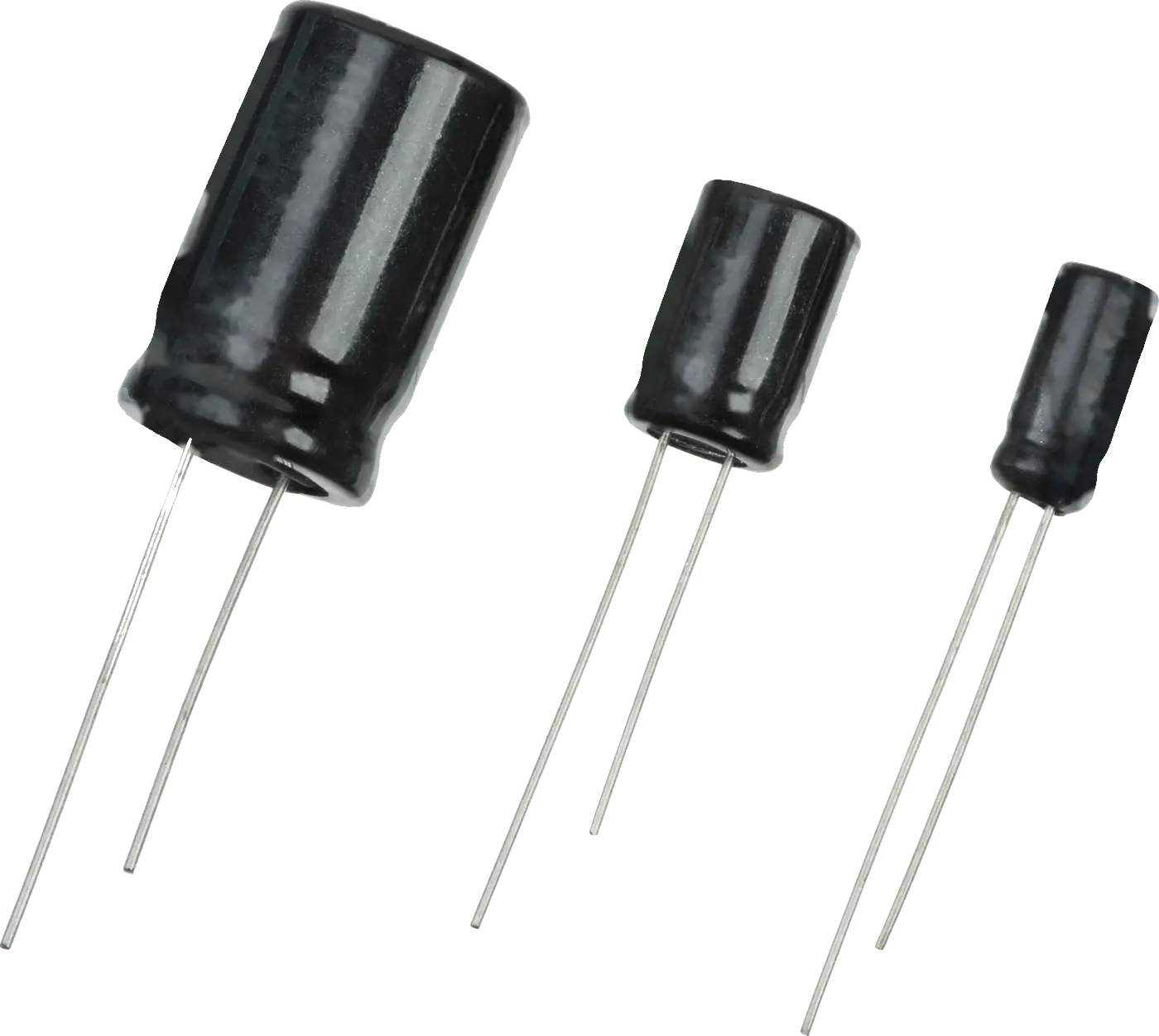 Electrolytic
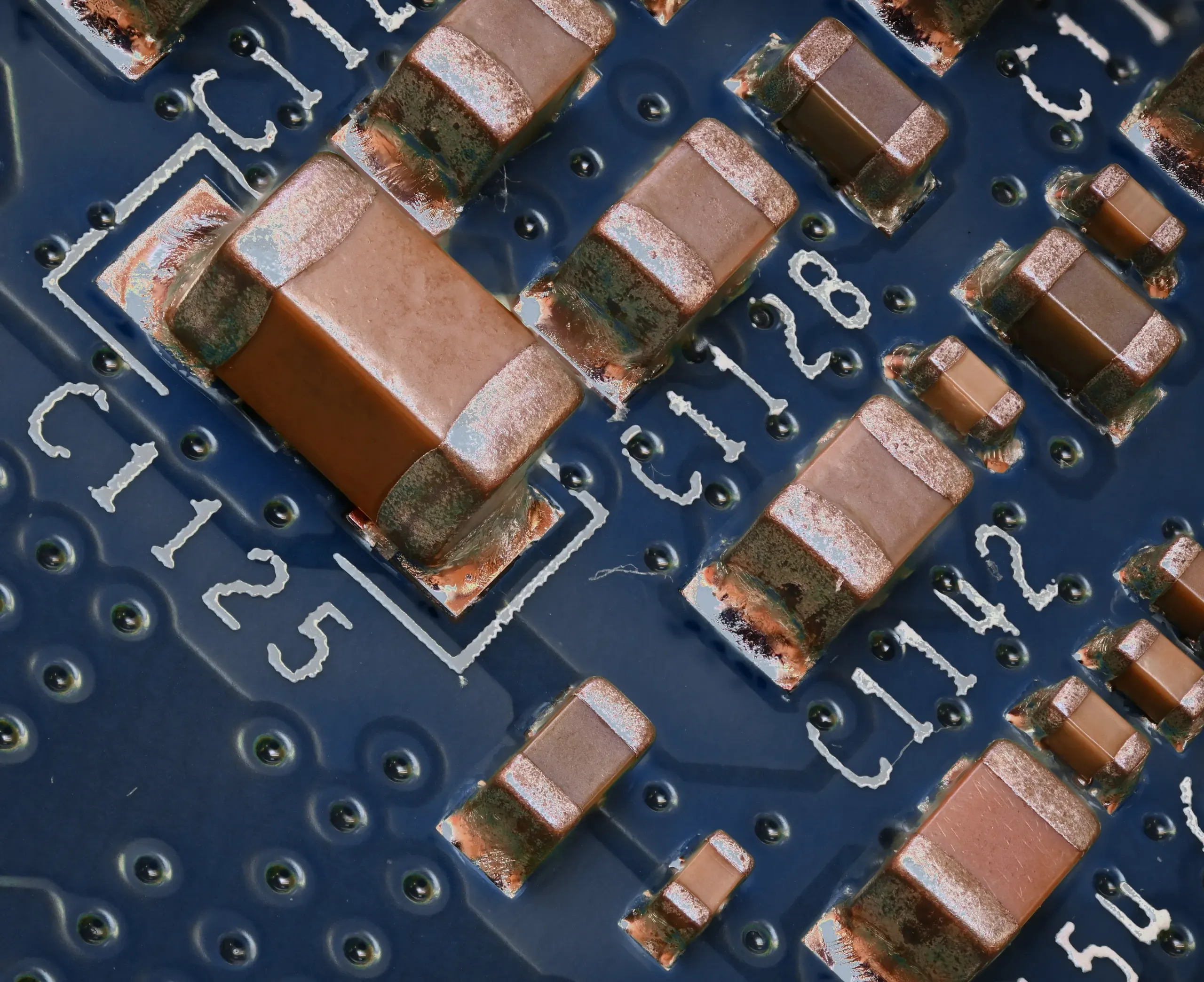
Definition
What is a capacitor?
A capacitor is an electronic component that stores electrical energy temporarily and is commonly used for filtering, coupling, timing, smoothing and other circuit functions.
It holds charge between two conductive plates separated by an insulating material, and its capacitance is measured in farads — usually microfarads (µF), nanofarads (nF) or picofarads (pF). V Bright Electronics India handles capacitor requirements in India; share the capacitance, voltage rating and type and we’ll help identify suitable options.
Range
Capacitor requirements
Common capacitor requirement categories include the following. Electrolytic capacitors have their own page.
Ceramic capacitors
Compact, non-polarised capacitors for decoupling, filtering and high-frequency circuits.
Film capacitors
Capacitors with a plastic-film dielectric, used for stable filtering, timing and AC applications.
SMD capacitors
Surface-mount capacitors, most often multilayer ceramic, for compact boards.
General-purpose capacitors
Everyday capacitors for coupling, bypass and timing roles.
Specific values
Need a particular capacitance, voltage rating or type? Send the value or your BOM.
Send your values
Comparison
Capacitors vs electrolytic capacitors
Electrolytic capacitors are a specific capacitor family, commonly used where relatively high capacitance is needed, such as power supply filtering — and most are polarised. Ceramic and film capacitors are generally non-polarised and widely used for decoupling, coupling, timing and filtering. The right choice depends on the circuit’s capacitance, voltage and space requirements.
Ceramic and film capacitors
Non-polarised capacitors for general circuit roles.
- Decoupling, coupling and timing
- Typically lower capacitance than electrolytic types
- Can be fitted either way round
Electrolytic capacitors
Polarised capacitors for higher capacitance needs.
- Power supply filtering and smoothing
- Typically higher capacitance values
- Must be fitted with the correct polarity
Applications
Where capacitors are used
Capacitors appear in almost every electronic circuit. Common applications include:
Filtering
Removing unwanted ripple and noise from supplies and signals.
Signal coupling
Passing AC signals between stages while blocking DC.
Timing circuits
Setting delays and frequencies together with resistors.
Noise suppression
Decoupling ICs and suppressing interference on boards and motors.
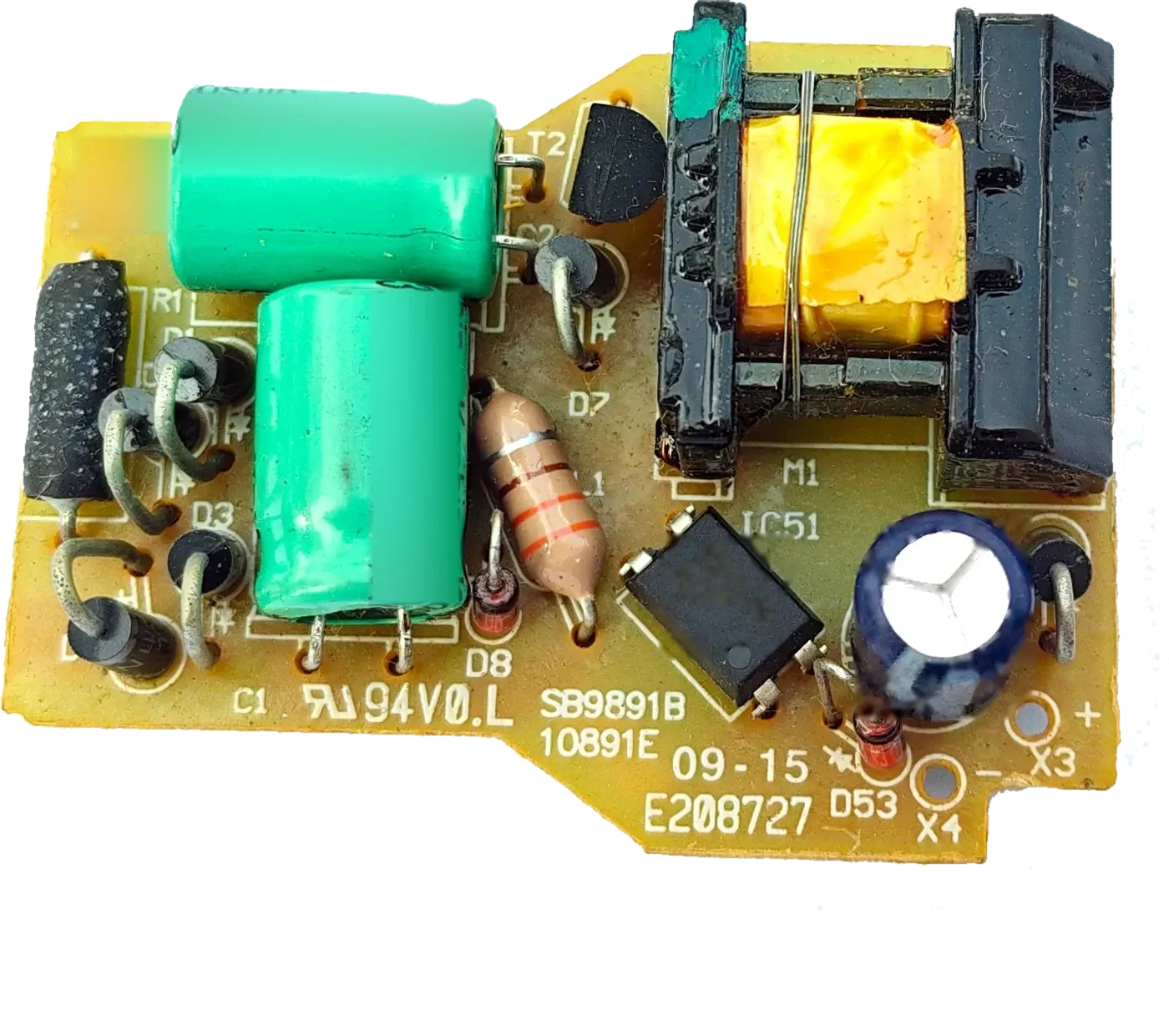
Power supplies
Input, output and decoupling roles alongside electrolytic capacitors.
Electronic control circuits
Stabilising and timing functions on control boards.
Selection
How to choose a capacitor
These details identify a capacitor. Most are printed on the part or listed in your BOM.
Not sure of the value? Send a clear photo of the markings on the capacitor.WhatsApp a photo
Capacitance
The value in pF, nF or µF — or the code printed on the part, such as 104 for 100 nF.
Voltage rating
The maximum voltage the capacitor is rated for; match or exceed the original.
Tolerance
How close to the marked value it must be, where your circuit specifies it.
Capacitor type
Ceramic, film or another type — it affects stability and suitable uses.
Package and size
Through-hole lead spacing or SMD size, so it fits the board.
Quantity and application
How many you need, and what the capacitor does in the circuit.

FAQ
Questions about capacitors
Have a question about a specific part? Ask us with the part number or a photo.
Ask on WhatsAppWhere are capacitors used?
In almost every circuit: filtering power supplies, decoupling ICs, coupling signals between stages, setting timing and suppressing noise.
How do I choose a capacitor?
Start with the capacitance and voltage rating, then the type (such as ceramic or film), tolerance and package size. For a replacement, the markings on the original part are the best reference.
What does the code on a ceramic capacitor mean?
Many use a three-digit code in picofarads: two digits followed by the number of zeros. For example, 104 means 100,000 pF, or 100 nF. A letter after the code often indicates the tolerance.
Are ceramic capacitors polarised?
No. Ceramic and film capacitors are generally non-polarised and can be fitted either way round. Electrolytic capacitors are usually polarised.
Can I use a capacitor with a higher voltage rating?
A higher voltage rating than the original is generally acceptable if the capacitance, type and size suit the circuit. A lower voltage rating should not be used.
Can I request ceramic and electrolytic capacitors together?
Yes. Send every capacitor value in one list or BOM — ceramic, film and electrolytic — and V Bright Electronics India will help identify suitable options.
Need a specific capacitor?
Send the capacitance, voltage rating, type and quantity — or your BOM — and we’ll help identify suitable options.