
Electronic components
Diodes
Diodes for rectification, switching, protection and general electronic requirements.
Definition
What is a diode?
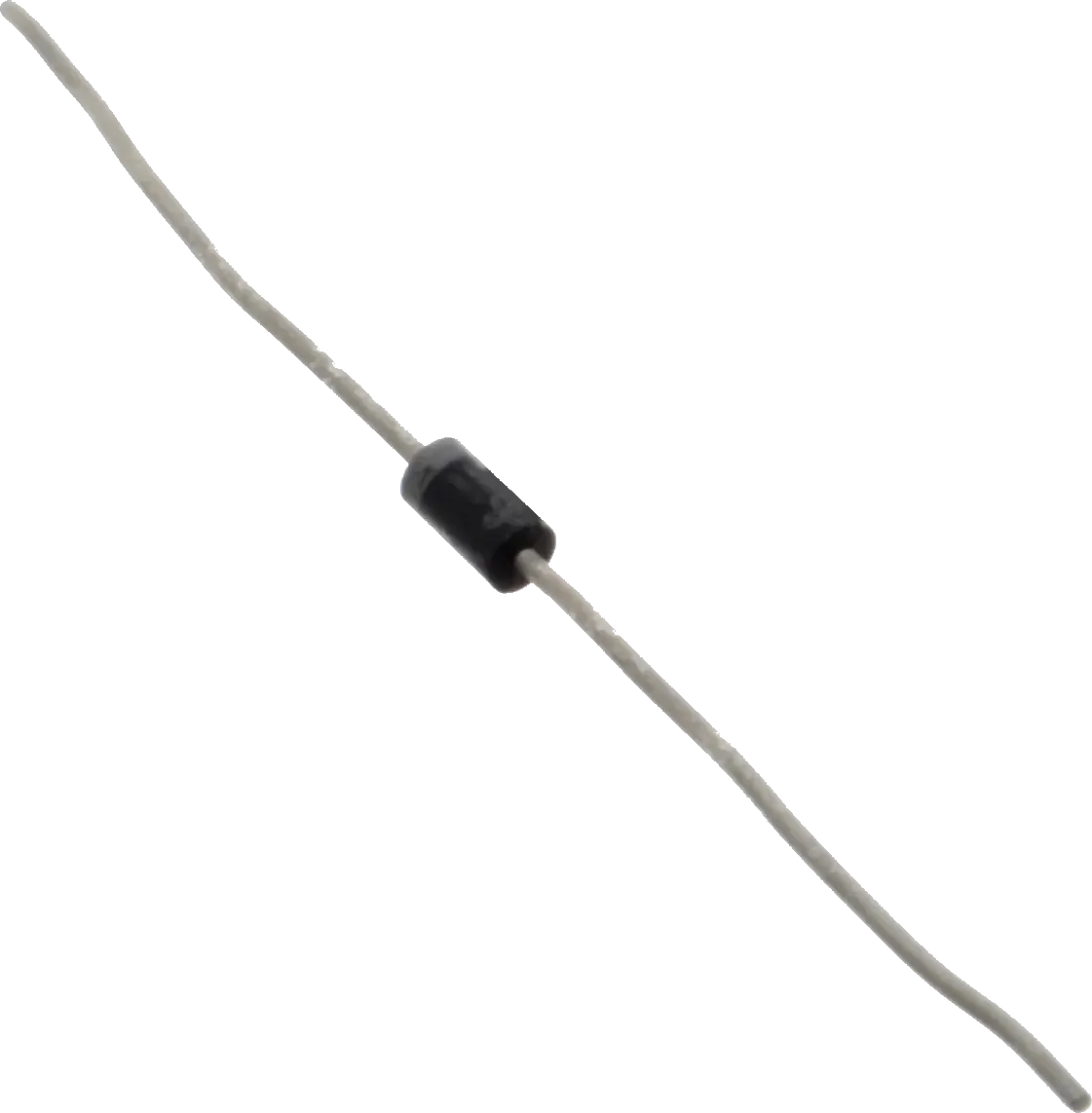
A diode is a semiconductor component that primarily allows current to flow in one direction. Diodes are commonly used for rectification, switching, protection and signal-control applications.
V Bright Electronics India supplies diodes for electronic component requirements in India — from a single replacement part to a complete project list. Share the part number or the application, and we’ll help identify suitable options.
Range
Types of diodes
Diode requirements commonly fall into the types below. If you already know the part number, that is the quickest way to identify the right component.
General-purpose diodes
Everyday diodes for basic rectification, blocking and protection in electronic circuits.
Rectifier diodes
Convert alternating current (AC) to direct current (DC) in power supplies, chargers and adapters.
Switching diodes
Turn on and off quickly, for digital, pulse and fast-switching circuits.
Signal diodes
Small diodes for low-current signal processing, detection and logic circuits.
Other diodes and part numbers
Need a particular type or an exact part? Send the number as printed on the component or listed in your BOM.
Send a part number
Applications
Where diodes are used
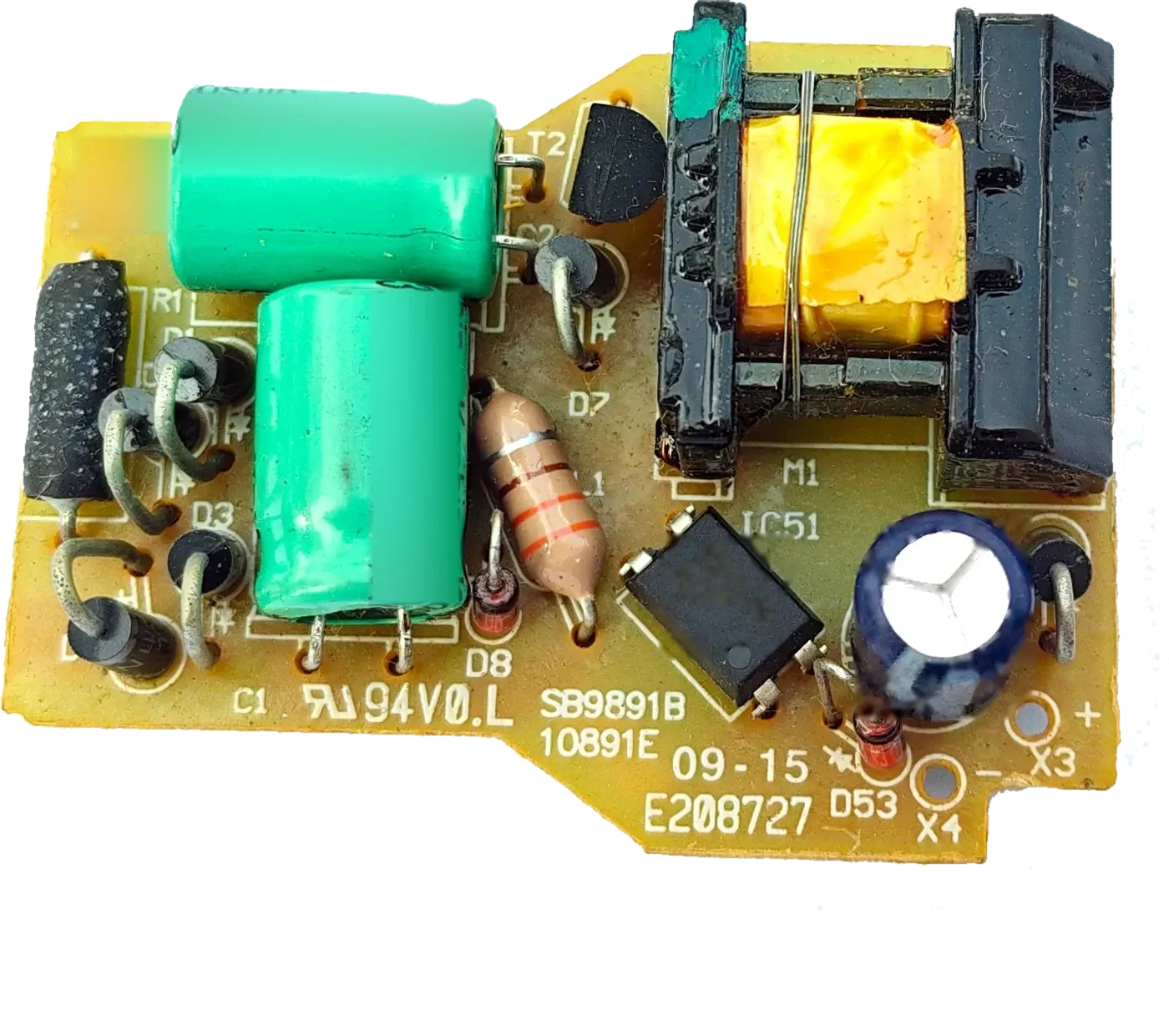
Diodes appear in almost every electronic circuit. Common applications include:
Power rectification
Converting AC to DC in power supplies, chargers and adapters.
Electronic circuits
General use across analogue and digital circuit designs.
Switching
Fast on–off switching in pulse and logic circuits.
Reverse-polarity protection
Blocking current when a supply is connected the wrong way round.
Power supplies
Rectification and protection in supply and charging stages.
Control circuits
Suppressing voltage spikes across relay and solenoid coils.
Repair and replacement
Matching an existing diode in equipment that needs servicing.
Selection
How to choose a diode
Check these details on the existing part, the circuit drawing or your BOM. The more you can share, the faster suitable options can be identified.
Not sure of the details? Send a photo of the diode and its marking.WhatsApp a photo
Voltage
The maximum reverse voltage the diode must withstand in your circuit.
Current rating
The forward current it will carry continuously, and any surge it must handle.
Switching speed
Whether the circuit needs a standard, fast-recovery or high-speed switching diode.
Package and type
Through-hole or surface-mount, and the body style that fits your board.
Application
What the diode does in the circuit: rectification, switching, protection or signal work.
Exact part number
The marking on the existing diode, or the number in your BOM, is the most reliable reference.
FAQ
Questions about diodes
Have a question about a specific part? Ask us with the part number or a photo.
Ask on WhatsAppWhat types of diodes are commonly used?
General-purpose, rectifier, switching and signal diodes cover most everyday requirements. Rectifier diodes convert AC to DC, switching diodes turn on and off quickly, and signal diodes handle small currents in signal circuits. Zener diodes are a separate family used for voltage regulation.
Can I request a diode using its part number?
Yes. The part number printed on the diode or listed in your BOM is the quickest way to identify it. Send it with the quantity you need, and V Bright Electronics India will help find suitable options.
What information should I provide for a diode requirement?
The part number if you have it; otherwise the voltage, current rating, switching speed, package and application. Add the quantity, and attach a BOM if you need several parts.
What is the difference between a diode and a Zener diode?
A standard diode is designed to conduct in one direction and block current in the other. A Zener diode is designed to conduct in reverse at a specific voltage, which makes it useful for voltage regulation and protection.
Do you support bulk diode requirements?
Yes. Send the part numbers and quantities, or a complete BOM, for project and production requirements, and we’ll respond with suitable options.
How can I tell which end of a diode is the cathode?
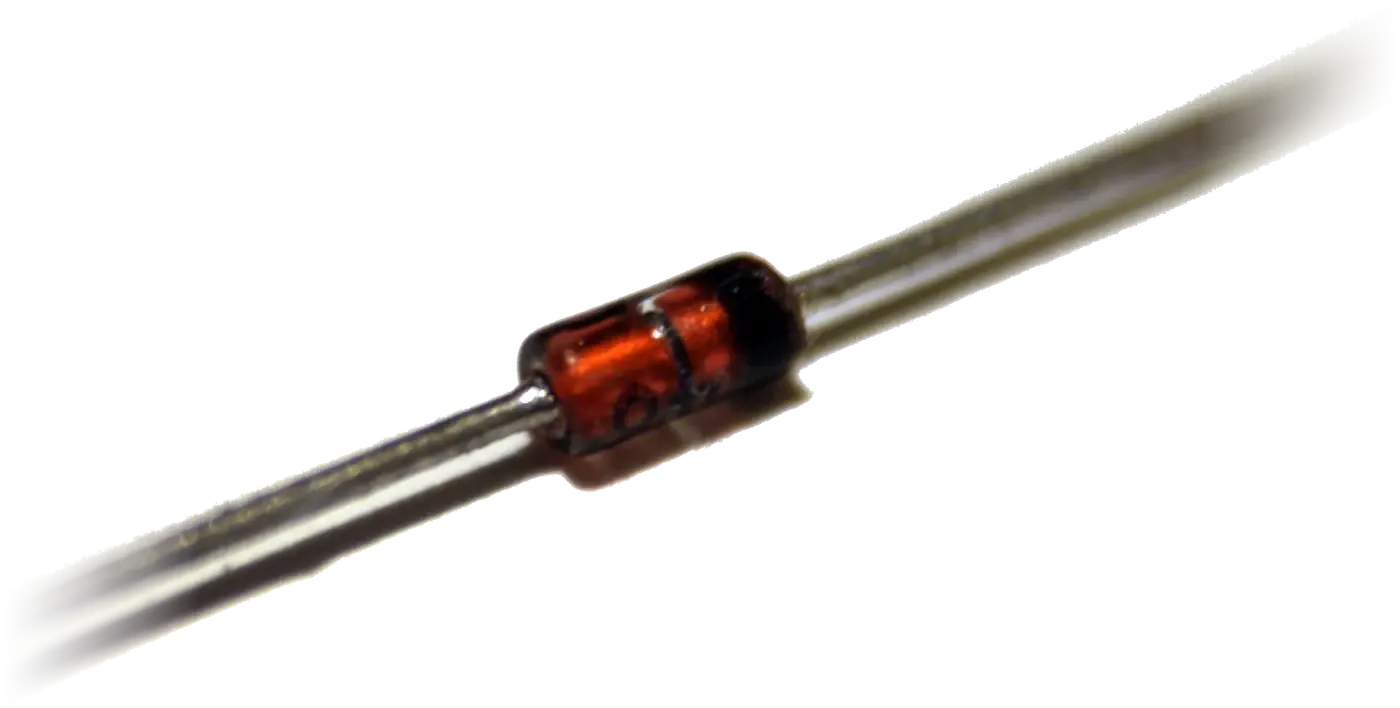
Most diodes mark the cathode with a band or stripe on the body. Current flows from the anode to the cathode when the diode is forward-biased.
Looking for a specific diode?
Send the part number, specification, quantity, application or your BOM, and we’ll help identify suitable options.